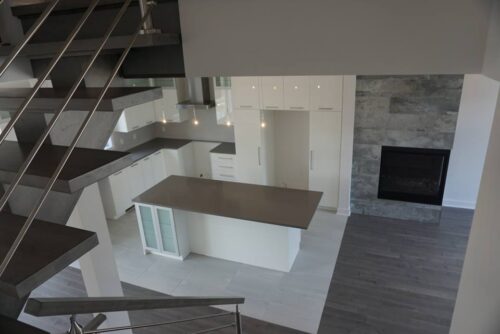
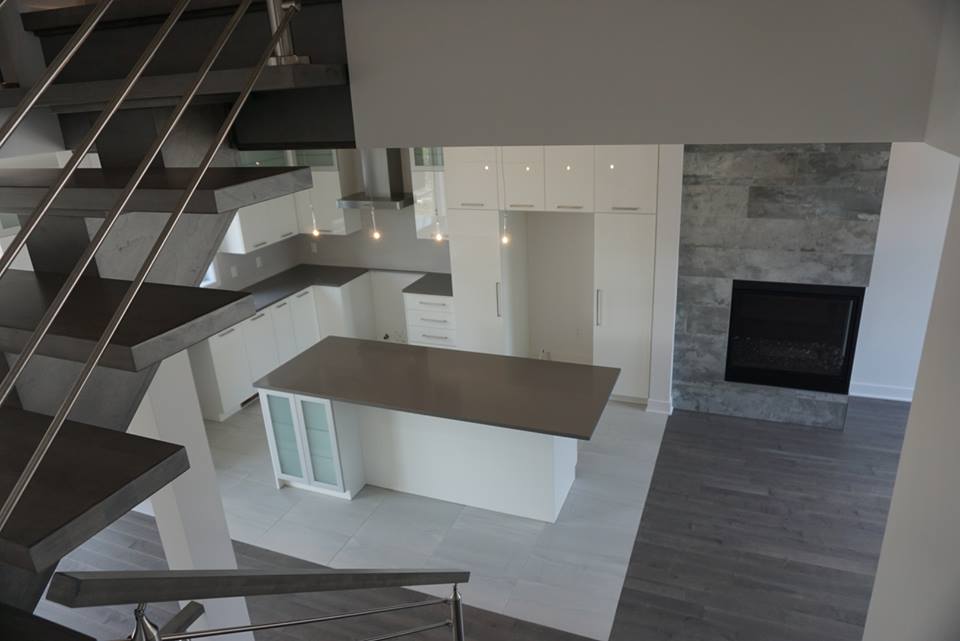
Making a home elegant does not necessarily mean choosing the most expensive materials or adding numerous decorative features. Elegance comes primarily from harmonious lines, balanced proportions, the arrangement of rooms and cohesive materials.
Before making any choices, however, you must define what elegance means to you. A home can be refined, classic, textured, bright or distinctive. The goal is to create a cohesive whole that reflects your vision without accumulating expenses that add little value to the final result.
Define the elegant style you want
Elegance is a personal concept. Some people appreciate simple, bright spaces, while others prefer a richer combination of textures, shapes and colours.
Before choosing materials or architectural features, ask yourself:
- Do you prefer refined or classic decor?
- Do you want to incorporate several textures or maintain a uniform appearance?
- Which shapes and lines suit your tastes?
- Do you want to create a particular style throughout the home?
- Which colours should be dominant?
- Do you want to draw attention to a particular feature?
- Which rooms should feel larger or brighter?
Your answers will establish a clear direction. They will also help you avoid impulse purchases and combinations that detract from the overall harmony.
An elegant home does not need to be crowded with features: above all, it should feel thoughtfully designed and cohesive.
How can you make a home elegant at a lower cost?
To make a home elegant without overspending, focus on the features that have the greatest influence on how the space is perceived. Materials, light, colours, openings and room arrangements can transform a home’s atmosphere.
The key is to prioritize a few high-impact choices instead of investing in every detail. A larger sink, simple faucets or quality handles, for example, can give a room more character without requiring a complete redesign.
Choose simple, well-coordinated materials
Every material selection contributes to a home’s elegance. There is no need to multiply finishes: a few well-coordinated materials can produce a more harmonious result than an accumulation of different surfaces.
Options to consider include:
- a ceramic tile shower;
- a ceramic mosaic used as a decorative feature;
- a wood floor;
- cabinetry with clean lines;
- a simple, well-proportioned countertop;
- textured elements placed in strategic locations.
Cohesion is essential. If several textures are used, they should complement rather than compete with one another. A pronounced texture can become a focal point while surrounding surfaces remain more understated.
Pay close attention to the kitchen and bathroom
The kitchen and bathroom include many features that can strengthen a home’s character. You can create an impression of elegance by paying particular attention to shapes, proportions and finishes.
In the bathroom, a ceramic tile shower, a well-chosen mosaic, a larger sink and simple faucets can form a refined composition. The faucets do not need to be highly ornate: simplicity itself can become a sign of elegance.
In the kitchen, streamlined cabinets and countertops can create a sense of spaciousness. For a harmonious result, choose consistent lines and avoid accumulating too many colours, patterns or textures in the same room.
Choose quality handles and accessories
Interior and exterior handles occupy little space, but they are visible and used every day. Their shape and finish can contribute to the home’s overall appearance.
To maintain continuity, choose handles that coordinate with:
- the style of the doors;
- the cabinetry;
- the faucets;
- the dominant lines in the design;
- other visible features in the room.
Not every accessory needs to be identical. However, they should share a common characteristic, such as a similar shape, colour or degree of simplicity.
Bring in more natural light
Light plays a central role in how we perceive volume, colour and materials. Beautiful, carefully positioned windows can brighten rooms and showcase the interior design.
Several choices can help create this impression:
- install large windows when the design allows;
- limit the number of small decorative grilles in windows;
- position openings to let in light;
- choose larger exterior entrance doors;
- incorporate large French doors indoors.
The choice of lot can also influence how light enters the home. When that choice is still available, consider the home’s location and planned window arrangement.
A bright room can feel more open, welcoming and pleasant, even with a relatively simple design.
Use colour with restraint
Colours directly influence a home’s atmosphere. To create elegant decor, it may be best to simplify the overall palette and then add a few carefully placed accents.
One simple approach is to:
- select an understated main colour;
- maintain continuity between spaces;
- incorporate textures to add depth;
- choose one or two accent colours;
- use those accents in specific places.
This method draws the eye without overwhelming the room. A particular colour can highlight a wall, material or important area of the design.
However, there is no universal palette for creating an elegant home. The choice must remain consistent with the desired style and the light available in each room.
Give careful thought to doors and windows
Doors and windows visually structure a home. Their size, position and style influence both the exterior appearance and interior atmosphere.
A larger exterior entrance door can give the facade greater presence. Indoors, large French doors can create an elegant transition between two spaces while allowing light to travel through them.
For windows, a simpler design with fewer visual divisions can create a more streamlined appearance. Their location should also support the room arrangement and showcase the main living areas.
Arrange rooms to encourage well-being
Elegance does not depend only on what you see. It is also reflected in how you move through and use the different rooms.
A successful layout should allow you to:
- move around easily;
- maintain pleasing proportions;
- enjoy natural light;
- avoid a sense of clutter;
- showcase architectural features;
- feel comfortable in every space.
Before adding decorative features, it is helpful to consider the relationship among rooms, openings and furniture. A well-organized space can feel more elegant than a poorly arranged room filled with expensive objects.
Keep furnishings light
Simple furnishings can give a space room to breathe. This does not mean emptying the home, but rather keeping furniture that genuinely meets your needs and fits the room’s proportions.
To make a design feel visually lighter:
- avoid accumulating too much furniture;
- maintain open areas;
- choose sizes suited to the room;
- showcase a few features instead of every part of the decor;
- maintain consistency among shapes and colours.
This approach lets materials, windows, doors and architectural details stand out more effectively.
Prioritize improvements with the greatest impact
When the budget is limited, it is best to identify the most visible improvements and those most important to your daily life.
You can establish your priorities by following these steps:
- Define your vision of elegance.
- Identify the rooms that most need improvement.
- Determine which existing features can be kept.
- Choose a few changes capable of transforming the whole space.
- Check the consistency of colours, materials and lines.
- Avoid adding something simply because it is popular.
A successful renovation or construction project is based on thoughtful choices. Investing in a limited number of well-selected features can be more effective than spreading the budget across several additions with little visual impact.
Create an elegant home that reflects who you are
To make a home elegant, begin by defining the atmosphere you want to create. Then treat light, proportions, materials, colours and room arrangements as one cohesive whole.
A ceramic tile shower, streamlined cabinetry, quality handles or large windows can contribute to the result. However, it is their cohesion that truly creates elegance. By making simple, targeted choices suited to your tastes, you can design a refined home without excessive spending.