Buying a home is much more than a real estate transaction. It is a project that requires you to consider your priorities, financial capacity and desired lifestyle. Some people delay buying because of their down payment, credit history or other goals. Others prefer renting to maintain greater flexibility and avoid certain responsibilities. Despite the obligations it entails, homeownership can offer many benefits in the short, medium and long term, especially when the property truly meets your needs.
What does buying a home mean today?
Buying a home means choosing to build a living environment of your own while accepting the responsibilities of ownership. This choice can allow you to personalize your surroundings, carry out a lasting project and gradually build real estate equity.
However, becoming a homeowner is not necessarily a priority for everyone. Some people want to travel, maintain a more mobile lifestyle or invest their money in other projects. Others simply do not want to take care of property maintenance.
The decision therefore depends less on a social expectation than on your personal circumstances. Before you begin the process, ask whether buying truly fits your needs, means and plans.
Why do some people delay buying a property?
There are many reasons why someone may choose to continue renting or postpone a real estate project. Those reasons may be financial, personal or connected to the desired lifestyle.
Some of the main potential barriers include:
- difficulty saving a down payment;
- a credit history that needs improvement;
- income considered insufficient;
- more demanding financing criteria;
- other financial priorities;
- a desire to travel or remain highly mobile;
- hesitation about the responsibilities of ownership;
- a preference for renting;
- personal spending that slows down saving;
- a desire to avoid repairs and maintenance.
These obstacles do not necessarily mean the project must be abandoned. Instead, they indicate that you may need to revisit your timeline, financial habits or priorities.
Prepare your project before buying a home
A real estate project benefits from gradual preparation. Wanting to obtain a home quickly while maintaining a high level of spending can make it harder to save a down payment and improve your credit.
Realistic preparation may lead you to:
- reassess your personal priorities;
- temporarily reduce certain expenses;
- work on improving your credit history;
- allow time to save your down payment;
- determine which type of property meets your needs;
- choose the right time to begin the process.
This reflection helps distinguish essential needs from secondary preferences. It also helps you design a project suited to your circumstances instead of searching for a property beyond your means.
Becoming a homeowner sometimes requires temporary compromises, but they can make the project more accessible and better structured.
Renting or buying: two different lifestyles
Renting can suit people who want flexibility or prefer to avoid certain responsibilities. It can also be a solution when a down payment, credit history or financial circumstances do not yet make buying a property possible.
Buying a home involves more obligations. The homeowner must manage maintenance and make decisions about the property. In return, ownership provides a degree of freedom that renting does not always offer.
For example, homeowners can choose:
- the environment where they want to live;
- a lot that matches their preferences;
- the interior and exterior layout;
- the decor and furniture;
- improvements to the property;
- the eventual addition of features such as a pool.
The right option therefore depends on your priorities. For some people, the flexibility of renting remains essential. For others, the opportunity to create a place that truly feels like home justifies the additional responsibilities.
What are the benefits of homeownership?
Ownership can provide personal, practical and financial benefits. However, those benefits vary according to the chosen home, the homeowner’s circumstances and decisions made over time.
Create a living environment that reflects who you are
Homeownership gives you greater freedom to personalize your space. You can choose the decor, furniture and layout based on your tastes.
You do not have to follow a landlord’s rules about changes to the home. Your home can evolve with your needs and more fully reflect your personality.
Experience a genuine sense of belonging
Ownership can also provide a sense of stability and pride. For many people, having their own home means having a place to build their daily lives and personal history.
This personal dimension plays an important role in the project. A home is more than a building: it becomes an environment chosen and shaped by the people who live there.
Invest in your property
Certain renovations or improvements may enhance a home and, depending on their nature, help support its value. However, it remains important to choose improvements according to your needs and budget.
An eventual resale may produce a gain, but this should never be considered automatic. The value obtained depends on the property and conditions at the time of sale, among other factors.
Build equity gradually
Payments made on a property may gradually reduce the financing balance, depending on its terms. Over time, the home can become an important asset for its owner.
This distinguishes buying from renting, although both options have their own costs and responsibilities. To make an informed choice, consider your entire situation instead of comparing only the monthly payment.
Why consider buying a new home?
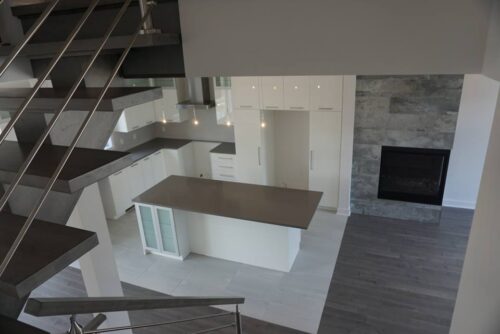
Buying a new home lets you participate in creating a project suited to your tastes. This option can be especially appealing to people who want a current interior and an environment designed according to their preferences.
Among the potential benefits, a new home may offer:
- a project developed around your needs;
- a selection of materials and finishes;
- decor suited to your tastes;
- a layout consistent with current trends;
- potentially improved insulation and soundproofing;
- less uncertainty about unknown past problems;
- a living environment where you can create your own history.
The actual features nevertheless depend on each project, the selected materials and the choices made during design. It is therefore important to assess the home as a whole instead of assuming every new construction offers the same benefits.
Define your priorities before becoming a homeowner
Before buying, take the time to determine what you truly want. Your decision must consider your financial capacity as well as the way you live.
In particular, ask yourself:
- Do you want to settle in the same community for the long term?
- Are you prepared to take responsibility for property maintenance?
- Is your credit history sufficiently prepared?
- Do you have the required down payment?
- Are you prepared to adjust certain expenses?
- Do you prefer an existing home or new construction?
- Which features are essential in your future living environment?
These questions turn a general desire into a concrete project. They may also reveal that it would be better to continue preparing before you buy.
A real estate project that reflects who you are
Buying a home can offer greater freedom, a sense of belonging and the opportunity to build an asset gradually. However, this choice requires serious preparation and acceptance of new responsibilities.
The goal is not to buy at any cost or follow someone else’s path. It is to build a project consistent with your priorities, means and desired lifestyle. If homeownership is one of your goals, begin by clarifying your needs, working on your financial circumstances and determining whether a new or existing home best matches your vision.