Windows play a much greater role in a home than you might expect. Beyond their practical function, they influence natural light, comfort, atmosphere and the appearance of rooms. Their size, location and arrangement can even transform the relationship between indoors and outdoors.
Well-planned windows let you make better use of sunlight and views. They can also contribute to the property’s thermal comfort when you choose appropriate, high-performance windows.
Why place so much importance on windows?
Windows are an integral part of a home’s architecture and decor. A window does more than let in light: its position can completely change how a room is perceived.
A well-placed opening can highlight:
- landscaping
- a wooded area or natural space
- a backyard
- an unobstructed view
- certain architectural features of the home
The goal is to treat the outdoors as a visual extension of the interior decor.
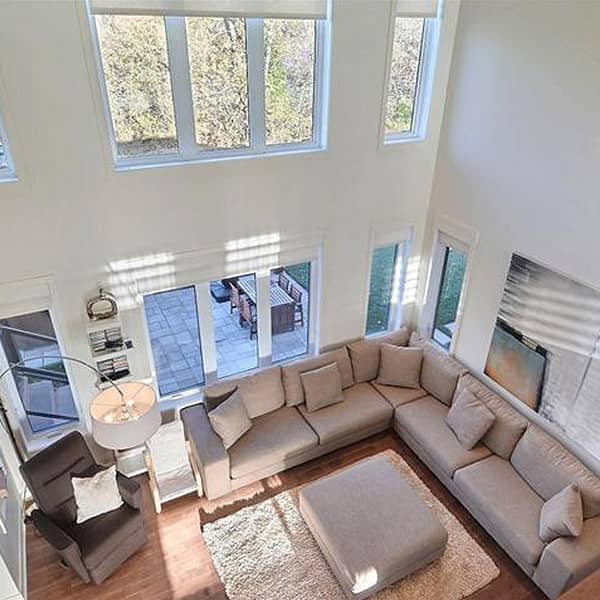
Window placement can also be planned according to sun exposure. A room with abundant natural light can feel more open, welcoming and pleasant to live in.
Integrate windows into the interior design
Windows can become a true design feature. Instead of selecting only standard sizes without considering the interior layout, you can plan window height and placement according to the purpose of each room.
Position windows to maximize natural light
In some rooms, placing a window higher on the wall lets in more light while preserving space for furniture.
Conversely, a lower window may provide a better view of the property or outdoor landscaping.
The right height therefore depends on several factors, including:
- the room’s purpose
- the home’s orientation
- furniture placement
- the available views
- the desired level of privacy
There is no single ideal arrangement. Windows should be planned for the space and the way it will be used.
Use windows in the kitchen
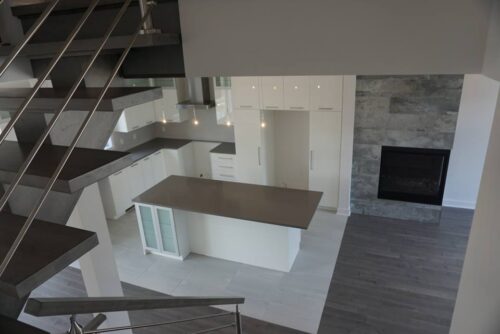
The kitchen offers several interesting possibilities. For example, a window installed near counter height can create a visual opening to the outdoors.
Depending on the chosen layout, this solution provides natural light while creating a greater sense of space. The window then becomes part of the kitchen design instead of simply serving a functional purpose.
It may also reduce the surface area requiring certain decorative materials, such as a backsplash, when its position and configuration are integrated into the room’s design.
Create an architectural effect with multiple windows
How windows are grouped has a strong influence on a home’s appearance.
Windows arranged in a continuous composition can emphasize architectural lines and create a sense of openness. Depending on the property’s configuration, they can be grouped:
- horizontally
- vertically
- in large compositions
- around a particularly appealing view
This type of layout places greater emphasis on natural light and the connection with the outdoors.
Simple lines and refined compositions fit especially well with contemporary architecture, but window arrangements should above all respect the property’s overall style.
Choose high-performance windows for greater comfort
Design is only one aspect to consider. Window quality and performance also play an important role in a home’s comfort.
Windows that are properly installed and designed to limit air and water infiltration help protect the building envelope.
When choosing windows, consider several factors:
- manufacturing quality
- the type of glazing
- air and water tightness
- installation
- the materials used
- performance suited to the climate
Needs may vary according to the type of property, the windows’ orientation and their size.
Which glazing should you choose for your windows?
Glazing affects heat transfer between the interior and exterior. Several configurations may be available depending on the products and the building’s needs.
However, the choice should not be based solely on the number of glass panes. The window’s overall performance and the quality of its installation are just as important.
In a home with large glazed areas, window orientation also deserves special attention. A large amount of glazing can provide abundant light, but it can also affect comfort depending on sun exposure.
Blinds or curtains can complement the windows to provide better control of light and heat throughout the seasons.
PVC, aluminum or wood: which material should you choose?
Windows may be made of PVC, aluminum or wood. Each material has different aesthetic, practical and architectural characteristics.
The choice depends on:
- the style of the home
- the desired level of maintenance
- the size of the openings
- the budget
- aesthetic preferences
- the desired performance
Instead of choosing based only on appearance, it is best to assess the window as a whole, including how it is made and installed.
A high-quality window that is poorly installed can lose some of its benefits. Installation is therefore an essential part of the project.
Plan windows from the home design stage
During construction or a major renovation, considering windows early in the process provides more possibilities.
Window locations can then be determined according to room layouts, views and natural light instead of being adapted after the spaces have already been defined.
Before making your final choices, ask yourself:
- Where are the most attractive views around the property?
- Which rooms should receive the most natural light?
- Where will the main pieces of furniture and counters be placed?
- How much privacy does each room require?
- How will the windows fit into the exterior architecture?
This reflection treats windows as an integral part of the architectural project.
Windows that contribute to your home’s comfort
Choosing windows should not be limited to their appearance. Their quality, size, location and arrangement can have a major influence on a property’s comfort and atmosphere.
Well-planned windows help you make better use of natural light, showcase outdoor views and create spaces that feel more visually open.
Whether for new construction or a renovation, taking the time to think about windows from the beginning of the project helps create an interior environment that is more cohesive with the architecture and surrounding setting.